

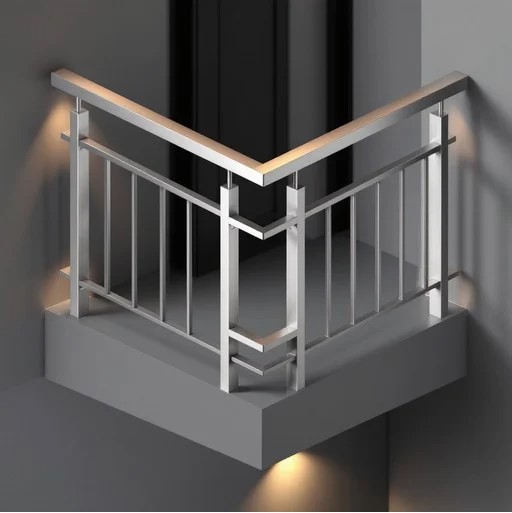

1. What are steel railing?
Steel railing are protective barriers made from steel, used in staircases, balconies, and terraces. They offer durability, safety, and modern aesthetics for residential and commercial spaces.
2. Best steel railing
The best steel railing depends on usage—stainless steel for durability, mild steel for customization, and glass-steel combinations for a modern look.
3. How to choose steel railing?
Choose based on location, budget, design preference, and maintenance needs. Always prioritize corrosion resistance, safety standards, and structural strength.
Introduction
Have you ever noticed how a simple railing can completely transform the look of a home? Many homeowners struggle to find a balance between safety and style, often settling for designs that feel outdated or high-maintenance. That’s where modern railing solutions step in.
Today, steel has become one of the most preferred materials for railings due to its strength, versatility, and sleek appearance. Whether it’s a balcony overlooking a scenic view or a staircase inside a contemporary home, the right railing can elevate both function and design.
In this guide, you’ll explore everything about choosing, designing, and maintaining the perfect railing system—helping you make a smart and stylish investment for your space.
Quick Summary
- Steel railings offer durability, safety, and modern design appeal
- Available in various types like stainless steel, mild steel, and glass combinations
- Low maintenance compared to traditional materials like wood
- Ideal for both indoor and outdoor applications
Types of Steel Railing for Different Spaces
When it comes to selecting the right railing, understanding the different types available is essential. Each type serves a specific purpose and aesthetic.
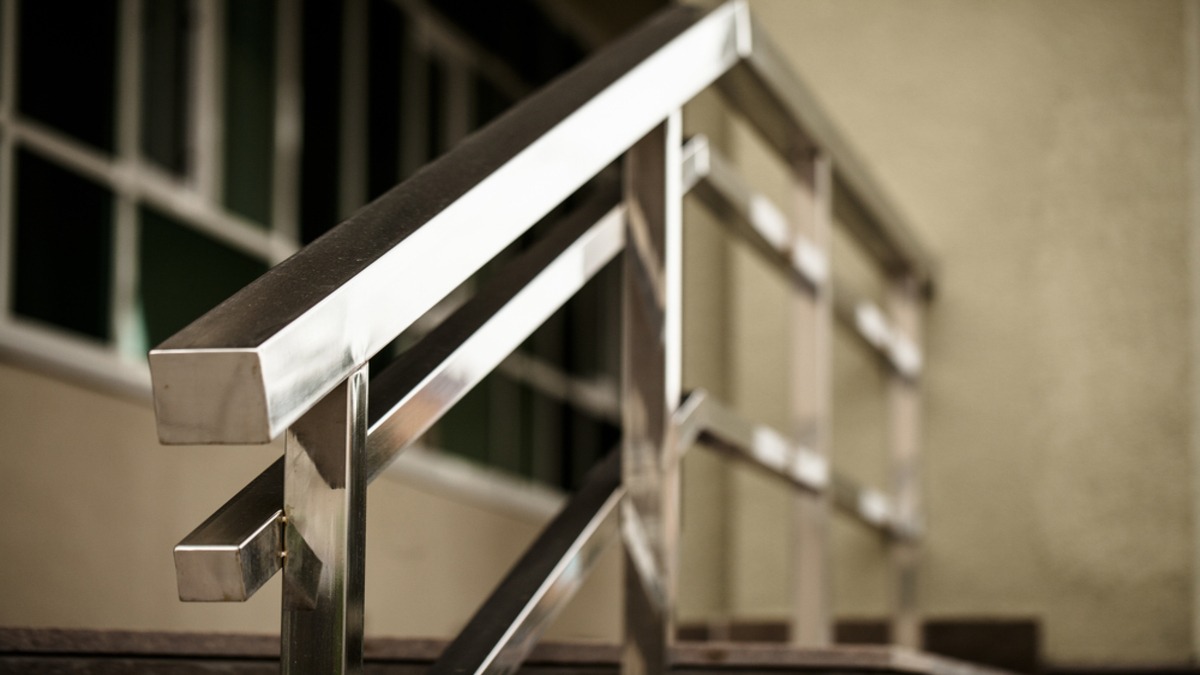
Stainless steel railings are widely popular due to their corrosion resistance and polished finish. They are ideal for outdoor spaces like balconies and terraces where exposure to weather is constant. On the other hand, mild steel railings are highly customizable, allowing intricate designs and patterns that suit traditional or artistic interiors.
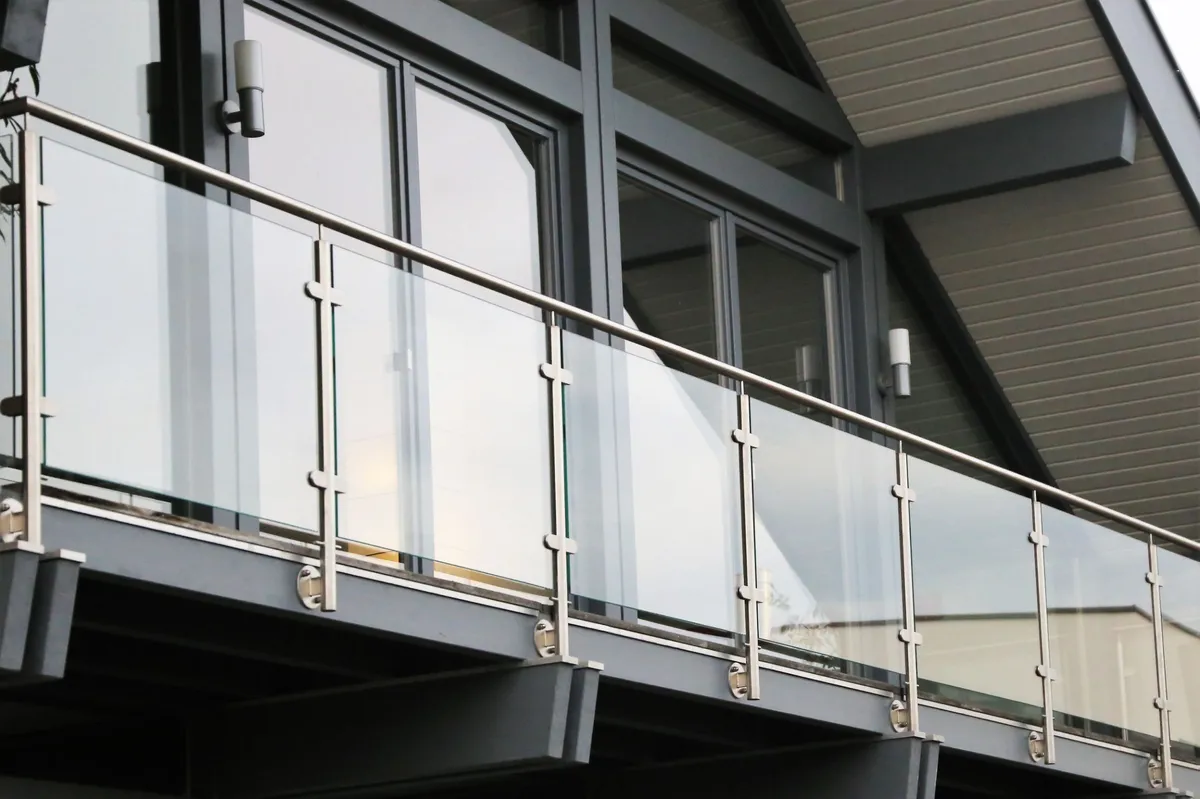
Glass and steel combinations have gained traction in modern architecture. These designs offer a clean, open look while maintaining structural safety. Cable railings, another contemporary option, provide minimal obstruction and are often used in luxury homes and commercial spaces.
Benefits of Choosing Steel Railing
One of the biggest advantages of steel is its exceptional strength. It provides long-term safety, especially in high-traffic areas like staircases and balconies. Unlike wood, it doesn’t warp or crack over time, making it a reliable investment.
Another major benefit is its aesthetic flexibility. Steel can be molded into various designs—from sleek minimalist lines to intricate decorative patterns. This makes it suitable for both modern and classic interiors.
Additionally, steel railings are relatively low maintenance. A simple cleaning routine and occasional polishing are enough to keep them looking new for years. According to industry insights, stainless steel structures can last over 25 years with minimal upkeep.
Steel Railing Design Ideas for Modern Homes
Modern homes often prioritize clean lines and functional aesthetics. Steel fits perfectly into this philosophy, offering a range of stylish design possibilities.
For contemporary interiors, horizontal bar railings are a popular choice. They create a streamlined look and enhance visual space. Vertical bars, on the other hand, provide a more traditional feel while ensuring safety, especially for homes with children.
Laser-cut steel panels are another trending option. These panels feature intricate patterns and can act as both a safety barrier and a decorative element. Combining steel with materials like glass or wood can also create a unique contrast that enhances the overall design.
Comparison of Steel Railing Types
| Type | Best For | Durability | Maintenance | Style Appeal |
|---|---|---|---|---|
| Stainless Steel | Outdoor areas | High | Low | Modern |
| Mild Steel | Custom designs | Medium | Medium | Versatile |
| Glass + Steel | Luxury interiors | High | Low | Premium |
| Cable Railings | Open spaces | High | Low | Minimalist |
Consider a modern duplex home where the owner replaced traditional wooden railings with stainless steel and glass combinations. Not only did it improve the visual appeal, but it also increased property value by nearly 8%, according to a local interior design estimate. The open design allowed more natural light, making the space feel larger and more inviting.
Pros & Cons
Pros:
- Strong and durable
- Modern and stylish appearance
- Low maintenance
- Weather-resistant
Cons:
- Higher initial cost compared to wood
- Can feel cold or industrial if not designed well
- Requires proper installation for safety
Expert Tips for Choosing the Right Design
- Choose stainless steel for outdoor durability
- Combine with glass for a premium look
- Ensure proper height and spacing for safety
- Opt for powder coating for added protection
Common Mistakes to Avoid
- Ignoring safety standards and spacing rules
- Choosing design over functionality
- Skipping anti-rust treatment for outdoor railings
- Hiring inexperienced installers
How to Choose Steel Railing for Your Home
Selecting the right steel railing involves more than just picking a design. You need to consider factors like location, usage, and long-term maintenance.
For outdoor areas, prioritize corrosion-resistant materials like stainless steel. Indoor spaces offer more flexibility, allowing you to experiment with mild steel designs or mixed materials. Budget also plays a role—custom designs may cost more but add unique value.
Another important factor is safety. Ensure the railing height and spacing meet local building codes. If you have children or elderly family members, opt for designs that minimize gaps and provide strong support.
Who Should Use This
Steel railings are ideal for homeowners looking for a balance between durability and modern design. They are especially suitable for urban homes, apartments, and commercial spaces where aesthetics and safety are equally important.
Architects and interior designers often recommend steel for its adaptability. Whether you’re renovating an old home or building a new one, it offers a versatile solution that fits various styles and budgets.
FAQs
1. Are steel railing suitable for outdoor use?
Yes, especially stainless steel variants, which are designed to withstand harsh weather conditions.
2. How long do steel railings last?
With proper maintenance, they can last 20–30 years or more.
3. Do steel railings require painting?
Stainless steel does not, but mild steel may need periodic painting or coating.
4. Are steel railings safe for children?
Yes, if designed with proper spacing and height according to safety standards.
5. Can I mix steel with other materials?
Absolutely, combining steel with glass or wood enhances both design and functionality.
Summary Recap
Steel railings are a perfect blend of strength, style, and durability. From modern glass combinations to traditional designs, they offer unmatched versatility for any home. With proper selection and installation, they not only enhance safety but also elevate the overall aesthetic of your space.
Conclusion
Choosing the right steel railing is more than a design decision—it’s an investment in safety and long-term value. By understanding your needs, exploring design options, and avoiding common mistakes, you can create a space that feels both secure and visually stunning. Whether you prefer a sleek modern look or a detailed artistic design, steel offers endless possibilities to transform your home.
Read More:-Elegant Black Wall Sconce Ideas to Transform Your Space