

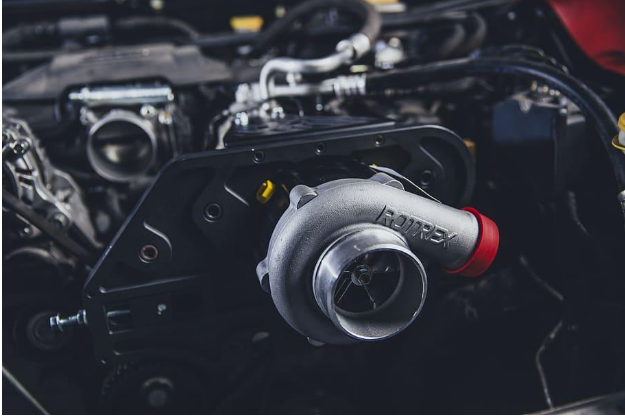

Turbochargers have become essential components in modern gasoline and diesel engines because they improve power output, fuel efficiency, and torque delivery without significantly increasing engine size. By forcing compressed air into the combustion chamber, a turbocharger allows the engine to burn more fuel efficiently and generate stronger performance under acceleration or load. Despite their durability, turbochargers operate under extreme heat and rotational stress that gradually affect internal components over time.
Many drivers assume turbochargers fail suddenly, but most turbo-related problems develop progressively through lubrication breakdown, excessive heat exposure, contaminated oil, or improper driving habits. Early warning signs often include slower boost response, increased oil consumption, unusual whining sounds, or reduced acceleration. Understanding what shortens turbocharger lifespan is important because many failures can be prevented through proper maintenance and operating practices.
Understanding Turbocharger Longevity
How Long Do Turbos Last Under Normal Driving Conditions?
Turbocharger lifespan depends heavily on lubrication quality, operating temperature, and how consistently the engine receives proper maintenance throughout its service life. A turbo operates under extreme heat and rotational speed every time the engine builds boost pressure, which means bearing wear and oil contamination gradually affect performance even when no immediate symptoms appear. Drivers usually begin researching durability after noticing slower boost response, increased oil consumption, unusual whining noise, or reduced acceleration under load. Mechanics evaluating these conditions often discuss how long turbos last based on oil-change history, driving habits, heat exposure, and whether the engine regularly operated under towing or sustained high-boost conditions.
Most factory turbochargers last well beyond standard engine warranty periods when the engine receives consistent oil service and proper warm-up and cooldown cycles. Turbo bearings rely on a constant flow of clean engine oil because lubrication also removes heat from the rotating assembly during operation. Aggressive acceleration before the engine reaches operating temperature increases wear because cold oil flows less efficiently through the turbo housing and bearing channels. Sustained towing or repeated high-boost driving can also shorten turbo lifespan by exposing seals and bearings to prolonged thermal stress. Mechanics commonly inspect shaft play, compressor-wheel condition, intercooler contamination, and oil-feed lines together since each component influences turbo reliability over time. Proper maintenance and clean lubrication significantly extend turbocharger life while reducing the likelihood of premature boost failure or oil-related bearing damage.
Why Lubrication Problems Damage Turbochargers
Oil Contamination and Bearing Wear
Turbochargers depend entirely on a steady supply of clean engine oil to lubricate and cool their rotating assemblies. Inside the turbo housing, bearings spin at extremely high RPM levels while exposed to intense exhaust heat. Dirty oil containing sludge, carbon deposits, or metal particles gradually damages these bearings and accelerates internal wear.
Once contamination restricts oil flow through the turbocharger, heat buildup increases rapidly. Bearings begin losing lubrication efficiency, shaft movement becomes unstable, and compressor blades may eventually contact the turbo housing. This type of damage often develops slowly and becomes noticeable through whining noises, smoke production, or declining boost performance.
Delayed Oil Changes
Extended oil-change intervals are one of the most common reasons turbochargers fail prematurely. As engine oil ages, it loses viscosity stability and becomes less effective at dissipating heat. Turbochargers operating with degraded oil experience increased friction and reduced cooling efficiency during every boost cycle.
Drivers who frequently tow heavy loads or operate under high-temperature conditions place even greater demand on turbo lubrication systems. Consistent oil maintenance remains one of the most effective ways to preserve turbocharger lifespan over long service intervals.
How Heat Exposure Accelerates Turbo Wear
Turbochargers are exposed to extreme exhaust temperatures whenever the engine builds boost pressure. Sustained towing, aggressive acceleration, or prolonged high-speed driving can raise turbo temperatures dramatically, especially in diesel and performance-oriented applications.
Excessive heat gradually weakens seals, hardens oil deposits inside bearing channels, and increases stress on the rotating assembly. Drivers who shut the engine off immediately after hard driving also increase turbo wear because oil circulation stops while internal temperatures remain extremely high.
Allowing the engine to idle briefly before shutdown helps stabilize temperatures and prevents oil from overheating inside the turbo housing. This cooldown process is especially important in vehicles used for towing, commercial hauling, or repeated high-load operation.
The Impact of Driving Habits on Turbo Lifespan
Aggressive Cold Starts
Aggressive acceleration before the engine reaches operating temperature places significant stress on turbo bearings and seals. Cold oil flows more slowly through lubrication passages, reducing the turbocharger’s ability to maintain stable lubrication during high-speed operation.
Repeated cold-engine acceleration gradually increases wear because the turbocharger reaches high RPM levels before lubrication stabilizes fully. Mechanics often recommend moderate driving during warm-up periods to protect both the turbocharger and overall engine components.
High-Boost and Heavy-Load Operation
Turbochargers used in towing, hauling, or commercial applications experience much greater thermal and mechanical stress than those used primarily for light commuting. Sustained high-boost operation keeps exhaust temperatures elevated for extended periods, increasing wear on seals, bearings, and compressor assemblies.
Construction and heavy-equipment industries frequently encounter these conditions because engines often operate continuously under demanding load cycles. Many heavy-duty applications discussed in construction equipment performance and reliability planning depend heavily on properly maintained turbocharged diesel systems to sustain power under prolonged operating stress.
Why Airflow and Filtration Matter
Turbochargers rely on clean airflow to operate efficiently. Damaged air filters, intake leaks, or debris entering the intake system can damage compressor blades and reduce boost efficiency. Even small particles entering the compressor housing at high speed may cause blade imbalance or surface erosion.
Intercooler contamination can also affect turbo performance by reducing airflow efficiency and increasing intake temperatures. Mechanics often inspect intake piping, intercoolers, compressor housings, and air filters together because airflow restrictions influence both performance and turbo longevity.
The Growing Importance of Turbocharged Engines
Turbocharged engines have become increasingly common because manufacturers continue prioritizing fuel efficiency and smaller engine displacement without sacrificing performance. Both gasoline and diesel platforms now rely heavily on turbocharging technology to meet emissions requirements while maintaining competitive power output.
Industry trends toward turbocharged efficiency are discussed further in this analysis of turbocharged engine adoption and fuel economy trends, which highlights how turbo technology became central to modern automotive engineering.
As turbocharged systems become more advanced, proper maintenance practices become even more important for preserving reliability and avoiding costly repairs related to heat and lubrication failure.
Conclusion
Turbocharger lifespan is heavily influenced by lubrication quality, operating temperature, driving habits, and maintenance consistency throughout the engine’s service life. Dirty oil, excessive heat exposure, aggressive driving before warm-up, and prolonged high-boost operation all accelerate wear on bearings, seals, and rotating assemblies.
Most turbochargers remain reliable for many years when supported by clean oil, proper cooldown practices, stable airflow, and routine inspections. Understanding the factors that shorten turbo lifespan allows drivers and equipment operators to prevent premature failure, maintain boost performance, and preserve long-term engine reliability under demanding operating conditions.