


Introduction
Exposed beams can change the entire feeling of a home. They draw the eye upward, add depth to ceilings, create architectural rhythm, and make a room feel more intentional. In some homes, beams are part of the structure. In others, they are decorative additions used to create warmth, texture, or visual contrast. Either way, choosing the right exposed beams requires more thought than simply selecting a wood color or a heavy-looking profile.
The best beam choice depends on the home’s architecture, ceiling height, flooring, wall finishes, furniture style, lighting, and overall mood. A rustic reclaimed beam may look beautiful in a farmhouse kitchen but feel too heavy in a minimalist living room. A smooth modern beam may suit a contemporary interior but appear too plain in a heritage-inspired space. Good design begins with understanding how each beam style supports the room around it.
Start With the Home’s Architectural Direction
Before choosing exposed beams, homeowners should identify the design direction of the home. Is the space traditional, rustic, modern, transitional, coastal, farmhouse, craftsman, lodge-inspired, or industrial? Beams should support that identity instead of fighting against it. A room with clean cabinetry, pale walls, and simple flooring may need refined beams with smooth lines. A space with stone, handmade textures, vintage details, or natural finishes may welcome rougher timber with visible grain and age.
Architectural direction also helps determine whether beams should stand out or quietly blend into the ceiling. In some rooms, exposed beams are the main feature. In others, they add structure without becoming dramatic. This decision matters because beam size, stain color, spacing, and finish all influence how strongly the beams speak in the room. The goal is not volume. The goal is harmony.
Which Timber Beam Designs Work Best for Different Interior Styles?
Exposed beams contribute more than structural presence to a room. They influence visual balance, architectural character, and the overall design direction of an interior space. Homeowners and designers often begin by identifying the atmosphere they want to create, because different beam designs support different architectural themes. A beam profile that enhances a farmhouse-inspired room may create a very different effect in a contemporary setting.
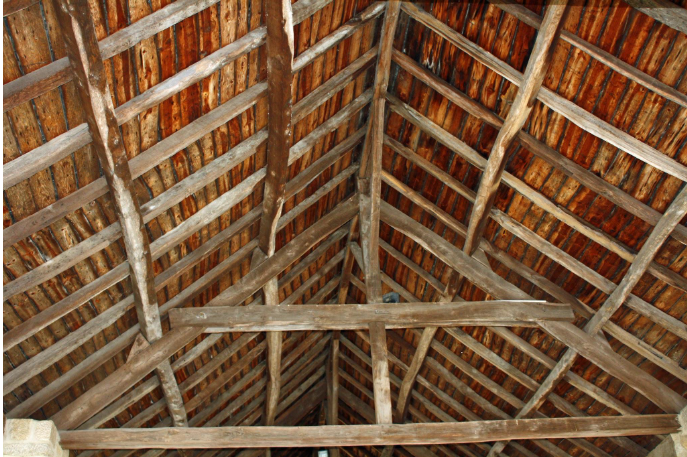
The best starting point is understanding the major timber beam styles commonly used in residential design. Popular options include rustic hand-hewn beams, reclaimed timber beams, clean-lined modern profiles, traditional timber framing elements, and decorative box beams. Each style delivers a distinct visual identity. Rustic and reclaimed beams emphasize texture, age, and craftsmanship, making them well suited to farmhouse, lodge, and heritage-inspired interiors. Modern beam profiles feature cleaner lines and more refined finishes that complement contemporary spaces. Traditional timber framing details often reinforce classic architectural themes, while box beams provide the appearance of substantial timber without the same visual weight.
Style selection should reflect the broader design language of the home. Ceiling height, room proportions, natural lighting, and surrounding materials all influence how a beam style is perceived. A cohesive design emerges when beam details align with flooring, cabinetry, trim, and other architectural features.
Evaluating style categories early in the design process helps homeowners narrow their choices with greater confidence. Understanding the visual characteristics of each beam category creates a stronger foundation for selecting timber elements that enhance both architectural consistency and long-term aesthetic appeal.
Match Beam Texture to the Room’s Mood
Texture is one of the strongest design signals in exposed beams. Hand-hewn, distressed, and reclaimed beams bring age, movement, and visible craftsmanship into a room. They suit spaces that feel relaxed, grounded, historic, or nature-connected. Smooth beams, by contrast, feel cleaner and more controlled. They work well in modern, transitional, and refined interiors where simplicity matters.
Homeowners should also consider how much texture already exists in the room. A space with stone walls, patterned rugs, heavy grain flooring, and detailed cabinetry may not need extremely rough beams. A simple white room with plain walls and quiet furniture may benefit from stronger timber texture. Design balance works like seasoning. Too little can feel flat, while too much can overwhelm the dish.
Consider Color and Finish Carefully
Beam color affects the perceived weight of a room. Dark beams create contrast and drama, especially against pale ceilings. Light beams feel softer and can make a space look airy. Medium wood tones often create warmth without becoming too bold. The finish also matters. Matte and natural finishes tend to feel organic, while polished or highly uniform finishes can feel more formal.
Coordinate Beams With Flooring and Other Surfaces
Exposed beams should relate to the surfaces below them. Flooring, cabinetry, trim, doors, stair parts, and furniture all influence whether a beam feels connected to the room. The beam does not need to match every wood tone exactly, but it should belong to the same visual conversation. A dark rustic beam over cool gray flooring may work if the contrast is intentional, but it can feel disconnected if no other feature supports it.
Flooring is especially important because it creates the lower visual foundation of the room. Homeowners comparing materials such as luxury vinyl plank, wood flooring, and LVT flooring can use those decisions to guide beam tone and finish. Warm floors often pair well with warm beams, while cooler floors may need carefully selected stains or softer natural tones to avoid a mismatched effect.
Think About Ceiling Height and Beam Scale
Beam size should match the scale of the room. Large, heavy beams can look impressive in rooms with high ceilings, open layouts, or broad spans. In smaller rooms, oversized beams may make the ceiling feel lower and the space feel crowded. Slimmer beams or decorative box beams may be better for rooms where architectural detail is desired without too much visual weight.
Spacing also affects the final look. Closely spaced beams create a strong pattern and can feel traditional or cozy. Wider spacing feels calmer and more open. In long rooms, beams can guide the eye and create rhythm. In square rooms, they can help define zones or add depth. The ceiling should feel designed, not striped by accident.
Use Beams to Support the Home’s Broader Wood Story
Wood has a powerful role in architecture because it brings natural variation, warmth, and tactile character into built spaces. Around the world, wood homes show how timber can shape both structure and atmosphere. A visual survey of wood houses around the world reflects how wood can feel rustic, refined, modern, regional, or deeply traditional depending on how it is used.
Exposed beams should be chosen with the same awareness. They are not isolated ceiling decorations. They can connect a home to natural materials, historic references, local character, or contemporary craftsmanship. When beams support the larger design story, the space feels collected rather than assembled from unrelated parts.
Brand Section: Why Beam Style Knowledge Improves Design Decisions
Understanding beam styles helps homeowners make better design decisions before ordering materials or starting renovation work. Exposed beams have a strong visual presence, so the wrong style can disturb the balance of a room. Clear guidance on beam categories, finishes, textures, and proportions allows homeowners to compare options with practical confidence.
A quality-focused timber resource can help connect design goals with suitable beam choices. Whether a homeowner wants rustic character, traditional framing detail, modern restraint, or a decorative box beam effect, the decision should be shaped by the home’s architecture and long-term design direction. Good beam planning turns timber from a decorative guess into a deliberate architectural feature.
Consider Installation and Practical Requirements
Some exposed beams are structural, while others are decorative. Structural beams require proper engineering, load calculations, bearing points, and code-compliant installation. Decorative beams, including many box beams, may be lighter and easier to install, but they still need secure fastening and clean alignment. Homeowners should understand which type they are choosing before construction begins.
Practical details also include access, ceiling condition, lighting placement, wiring, HVAC vents, and future maintenance. Beams can affect where pendant lights, recessed fixtures, fans, or speakers are placed. Planning these details early prevents design conflict later. A beautiful beam layout can quickly become awkward if it collides with lighting or mechanical elements.
Conclusion
Choosing exposed beams that match a home’s design requires attention to architecture, texture, color, scale, ceiling height, flooring, and installation needs. The right beams should support the room’s character without overpowering it. Rustic beams, reclaimed timber, modern profiles, traditional framing elements, and box beams each create a different mood, so homeowners should choose according to the design story they want the home to tell.
When selected thoughtfully, exposed beams add more than visual interest. They create rhythm, warmth, structure, and identity. A well-chosen beam can make a room feel complete, as if the ceiling finally found its voice and decided to speak in wood.