


Key Takeaways
In Texas, the climate plays a major role in how long asphalt lasts. Selecting the right asphalt blends is crucial to enduring temperature shifts and humidity levels.
Hot Mix Asphalt (HMA) is perfect for the state’s busy roads due to its robust nature; on the other hand, Warm Mix Asphalt (WMA) presents environmental advantages with its reduced production temperatures.
Utilizing recycled materials like reclaimed asphalt pavement (RAP) in new projects can elevate both quality and sustainability while also cutting costs and minimizing environmental harm.
Investing in top-notch asphalt paving could lead to significant long-term savings. Well-installed surfaces can endure more than 20 years, unlike cheaper options that may require replacement after just ten years.
For assessing asphalt condition, reliable performance testing methods are vital. These tools empower property owners to make educated choices regarding maintenance and repairs.
Regular upkeep, which includes inspections and sealcoating, is vital for extending the lifespan of asphalt and avoiding expensive repairs.
By recognizing early signs of asphalt deterioration—such as cracking and water pooling—property owners can proactively address problems, steering clear of extensive damage.
Choosing the Right Asphalt for Texas Roads
Understanding Local Climate Effects on Asphalt Longevity
The unique Texas climate heavily influences asphalt longevity. With intense temperature fluctuations and relentless sun exposure, asphalt encounters distinct challenges. High temperatures can soften the material, making it susceptible to deformation, while cold snaps may lead to cracking as it contracts. Grasping these local climatic influences is essential during the selection and installation phases.
Picking the right asphalt involves choosing a blend capable of tackling those conditions. An all-weather mix, for instance, might be more resilient against the state’s temperature fluctuations. Yet, it isn’t just about temperature; factors such as rainfall patterns and humidity also affect asphalt performance over time.
It’s advisable for clients to consult with experienced paving contractors who understand local conditions. These professionals can offer invaluable advice and recommendations specifically tailored to Texas’s unique challenges.
Ultimately, property owners should prioritize asphalt that adeptly handles Texas’s rigorous climate.
Common Asphalt Options and Their Unique Benefits
A range of asphalt options exists, each tailored to distinct needs. Choosing the correct type is key to ensuring effective performance. Here are several common options:
- Hot Mix Asphalt (HMA): HMA is versatile, making it suitable for high-traffic zones. It’s durable, user-friendly, and has excellent adhesion properties.
- Warm Mix Asphalt (WMA): This eco-friendly alternative is produced at lower temperatures, which decreases emissions and energy consumption during manufacturing.
- Cold Mix Asphalt: Typically for patching jobs, cold mix offers a handy solution for smaller repairs but isn’t ideal for areas with heavy traffic.
Each option has its own purpose, and the selection largely hinges on traffic volume, budget, and environmental factors. Many roads in Texas are burdened by substantial traffic, so opting for HMA tends to yield a more durable, long-lasting option.
When making decisions, it’s beneficial to seek advice from seasoned professionals who can effectively navigate clients through these various options.
Innovative Techniques for Sustainable Asphalt Paving
How Recycled Materials are Changing the Game
Integrating recycled materials into asphalt is a significant development in the industry. By employing reclaimed asphalt pavement (RAP), professionals not only contribute to sustainability but also improve the overall quality of the asphalt mix. This approach allows for approximately 30% of existing asphalt to be reused in new projects, resulting in considerable cost savings without compromising performance.
However, using recycled materials can significantly lower the environmental impact linked to asphalt production. This strategy reduces the demand for raw materials, which may be both costly and ecologically challenging. Moreover, it promotes a circular economy that prioritizes resource reuse over disposal.
Studies indicate that proper application of RAP can enhance the performance of asphalt pavement, boosting resistance to deformation. This method benefits the environment and often leads to a stronger final product.
- Reduction in costs: Substantial savings on materials.
- Performance enhancement: Long-lasting asphalt with greater tensile strength.
- Environmental benefits: Fewer greenhouse gas emissions and reduced reliance on virgin materials.
State-of-the-Art Equipment for Enhanced Efficiency
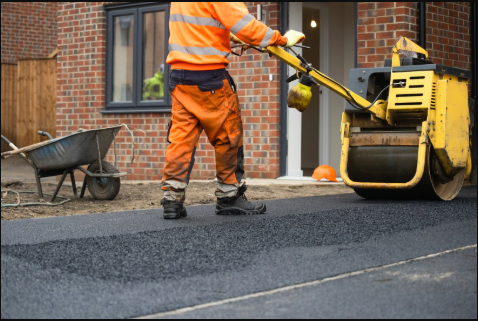
Technological advancements have dramatically changed how asphalt is installed and maintained. The emergence of high-tech equipment has optimized processes, thereby boosting efficiency and ensuring superior outcomes. Such machinery often incorporates GPS tracking and computer systems for precise layout and measurements, enhancing accuracy throughout the project.
Take milling machines, for instance. These devices expertly remove the top layer of asphalt, enabling quick repairs or resurfacing with minimal disruption to traffic. The benefits? Reduced downtime and a smoother installation experience.
So, who benefits from these advancements? Clients enjoy improved project timeliness and enhanced pavement quality. Investing in high-standard paving machinery translates to resilient asphalt capable of enduring Texas’s specific demands.
Utilizing superior equipment can enhance the quality of asphalt paving texas projects, exemplifying the significance of investing in modern innovations.
Key Metrics That Enhance the Value of Asphalt Investment
Long-Term Cost Savings That Speak Volumes
Investing in quality asphalt paving often translates into notable long-term savings. While initial costs may be higher, the return on investment (ROI) can be remarkable. Durable asphalt typically requires less frequent repairs and maintenance, leading to reduced cumulative costs. This can be a substantial advantage for property owners managing budgets.
Clients should take a moment to consider these implications. A properly installed asphalt surface can exceed a 20-year lifespan with adequate maintenance, while cheaper options might need replacement within a decade. Professionals often calculate maintenance costs per year based on total lifespan, guiding clients toward wiser financial choices.
- Longevity: Quality asphalt tends to last longer, decreasing urgent maintenance needs.
- Maintenance Costs: A well-maintained surface saves money over time.
- Increased Property Value: Quality asphalt positively influences property values.
Clients should adopt a long-term perspective when considering asphalt investment. This ensures better financial planning for future needs.
Evaluating Performance Through Reliable Testing Methods
To ensure asphalt performs as intended, regular evaluations are necessary. Reliable testing methods deliver crucial insights regarding pavement performance, enhancing maintenance and repair strategies. Services such as the Superpave system carefully assess asphalt to forecast how it will behave under extreme conditions.
Traditional testing methods frequently overlook how asphalt performs over time. New techniques, including digital imaging for crack analysis, offer a far more accurate assessment of pavement health. Property owners should insist on thorough testing conducted before, during, and after installation to verify they are getting a resilient, efficient asphalt surface.
Robust testing protocols can help identify early signs of failure, providing opportunities for repairs before serious damage ensues.
- Core Sample Testing: Reveals information about layers, density, and composition.
- Non-Destructive Testing: Enables evaluation without inflicting damage on the pavement.
- Load Testing: Simulates actual traffic conditions to anticipate future performance under stress.
Commitment to testing brings peace of mind concerning asphalt surface integrity.
Maintaining Your Asphalt: Best Practices for Longevity
Essential Maintenance Tips Every Property Owner Needs
Regular maintenance is vital for asphalt longevity. Clients often ponder what makes for an effective maintenance plan. Simple, routine tasks can greatly extend the life of asphalt pavements. Here are essential strategies:
- Regular Inspections: Ongoing assessments help catch damage early.
- Sealcoating: Applying sealcoating every 2-3 years is crucial for protecting against UV rays, water, and chemicals.
- Crack Filling: Promptly addressing cracks helps prevent water infiltration and further damage.
By adhering to routine care, property owners can often avoid costly repairs. Neglecting these practices may lead to damage that could have been prevented with timely intervention. Consulting with a paving contractor for tailored maintenance schedules is advisable.
Signs Your Asphalt Needs Attention – When to Act
Identifying when asphalt requires attention can spare property owners significant headaches down the road. Certain warning signs indicate significant asphalt distress:
- Pooling Water: This signifies improper drainage, suggesting potential subgrade issues.
- Cracking: Small cracks can rapidly escalate into larger problems if ignored.
- Fading Color: A dulled appearance often indicates UV damage and a need for sealcoating.
Taking action on these warning signs early makes a substantial difference. Contractors frequently emphasize that addressing minor problems can prevent them from snowballing into extensive repairs or even complete reconstruction.
Proactive care yields the best overall results—that’s a fact. With the right knowledge and maintenance, asphalt can deliver lasting advantages for property owners across Texas.
FAQ
What factors should be considered when choosing an asphalt contractor?
When searching for an asphalt contractor, it’s vital to assess their experience, reputation, and familiarity with local conditions. Clients should inquire about the equipment they use, the types of asphalt they specialize in, and whether they can provide a comprehensive project timeline and warranty for their work.
How does asphalt recycling impact local economies?
Asphalt recycling can positively influence local economies by lowering material costs and creating jobs centered around processing and laying recycled asphalt. Communities enjoy reduced infrastructure expenditures, enhanced road quality, and a lower environmental impact, thereby fostering a more sustainable local economy.
What role does temperature play in asphalt installation?
Temperature is a critical factor during asphalt installation because it affects the mix’s workability and adhesion. Professionals generally recommend paving during optimal temperature ranges—often in warmer conditions—to guarantee that the asphalt adheres properly and achieves the requisite density for durability.
Are there new innovations in asphalt maintenance technology?
Yes, innovations such as infrared technology for asphalt repair and drones for pavement inspections are revolutionizing maintenance processes. These advancements enable efficient targeting of repairs and improve monitoring of asphalt conditions, assisting property owners in effectively maintaining their investments.
How frequently should asphalt be sealcoated?
Typically, sealcoating should be conducted every 2-3 years for optimal protection. However, factors like weather exposure, traffic load, and existing surface conditions can affect this timeline, prompting property owners to seek professional advice for customized schedules.
What types of environments benefit the most from high-quality asphalt?
High-quality asphalt is especially advantageous in high-traffic settings, such as commercial districts and highways, as well as in areas experiencing extreme weather. These environments demand durable solutions capable of withstanding significant wear and tear while maintaining structural integrity over time.
How can property owners assess the effectiveness of their asphalt?
Property owners can evaluate asphalt effectiveness through regular visual checks, searching for signs of wear like cracks, pooling water, or fading color. Engaging professionals for thorough testing can provide deeper insights into pavement status, ensuring timely interventions when necessary.
What are the benefits of different asphalt mixes for unique projects?
Distinct asphalt mixes cater to specific project needs; for example, Hot Mix Asphalt is ideal for high-traffic scenarios, while Warm Mix Asphalt is more suited for eco-conscious projects. A customized blend ensures optimal durability and performance aligned with the particular demands and environmental considerations of the project.