

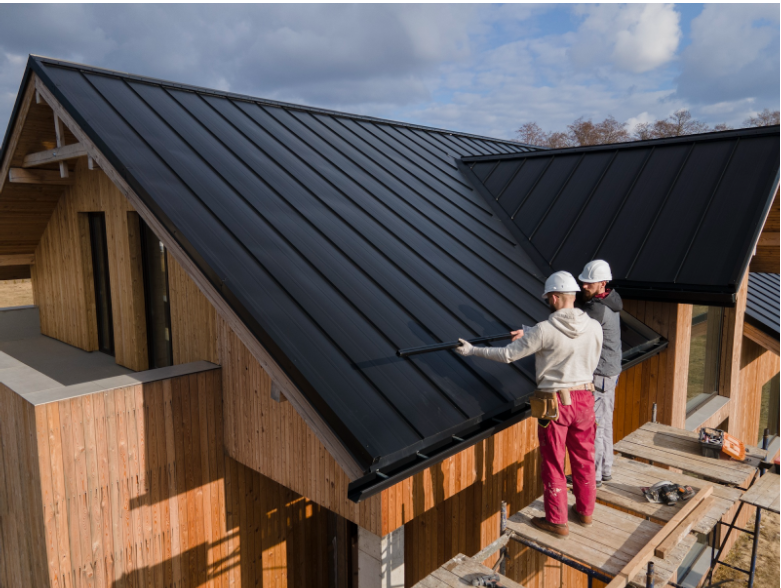

The roof functions as a vital component of your house’s structure. It safeguards your household members from all types of weather, including rain, wind, heat, and cold. A roof that receives proper maintenance can last for several years, while neglect will lead to premature deterioration. Regular roof maintenance protects your property from costly damage and creates a safe, pleasant indoor environment.
The following roofing maintenance suggestions are effective ways to extend the lifespan of your residential roof system.
1. Inspect Your Roof Regularly
The most effective method for roof maintenance is conducting regular inspections. The recommended frequency for roof inspections is to check your roof twice each year, paying special attention during severe storm events. The inspection should focus on three specific areas: missing shingles and cracks, loose materials, and indications of damage.
People who feel unsafe going onto their roofs can conduct inspections from the ground using binoculars. The process of finding minor issues takes less time and resources than fixing major ones, which require more resources to resolve.
2. Clean Gutters and Downspouts
Clogged gutters can cause severe issues that affect the entire roofing system. The gutters become obstructed when leaves, dirt, and debris accumulate inside them. The blockage prevents water from flowing freely, leading to water accumulation on the roof surface and, subsequently, leaks and structural damage.
You should clean gutters regularly, especially in autumn and after storm events. The downspouts should remain unclogged so water can flow away from your building’s foundation.
3. Remove Debris from the Roof
The passage of time allows leaves and branches to accumulate as debris, which builds up on your roof. The presence of debris on roofs creates a condition in which moisture is trapped, leading to deterioration of roofing materials and mold growth.
You should use a soft broom or blower to remove debris. The use of pressure washers must be avoided, as high water pressure can cause shingle damage.
4. Trim Overhanging Tree Branches
Your home receives shade from trees that surround it, yet the branches that extend over your house create a risk of roof damage. Storms bring the danger of branches breaking off and crashing down onto the roof. The constant contact between tiny branches and shingles results in gradual damage throughout the years.
You should cut back tree branches to reduce the risk of damage. The method also prevents roof leaves from piling up.
5. Check for Moss and Algae Growth
Moss and algae can grow on your home’s roof. It may appear to be a minor issue, but they pose a danger because they trap water that can destroy roof materials.
You should remove moss using gentle cleaning solutions designed for roofing work. You should avoid using strong chemicals that could harm shingles.
6. Repair Minor Issues Quickly
Small problems can turn into major damage if ignored. Water enters through a missing shingle or a small crack, causing leaks and structural damage.
You should fix all roofing problems immediately upon first noticing them. You should hire a professional roofing contractor when you need help with safe repair work.