

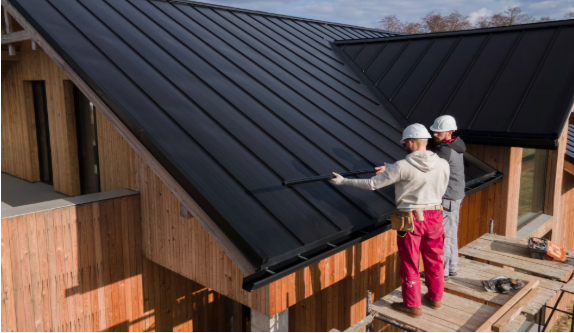

Choosing the right contractor for a home improvement project is a decision that impacts both the safety and the value of your property. The roof is the most critical structural component of a house, providing protection against the elements and ensuring energy efficiency.
When the time comes to repair or replace your covering, the quality of the workmanship and materials will dictate how long the investment lasts.
Finding reliable residential roofing services requires a thorough evaluation of several key performance indicators, ranging from legal compliance to local reputation and material expertise.
Verification of Licensing and Insurance Coverage
The most fundamental step in hiring a contractor is confirming their legal standing. A reputable provider of residential roofing must possess a valid state or local business license that authorizes them to perform structural work.
Equally important is the verification of insurance coverage, specifically general liability and workers compensation. Without these protections, a homeowner could be held financially responsible for accidents that occur on their property during the project.
Always request physical copies of these certificates to ensure that the policies are current and provide adequate coverage limits for your specific project.
Local Experience and Community Reputation
While national companies often have large marketing budgets, local contractors frequently offer a higher level of accountability and knowledge regarding regional weather patterns.
A company that has provided residential roofing for many years in your specific area will understand which materials best withstand local humidity, wind speeds, and temperature fluctuations.
Check online review platforms and request a list of references from past clients within your immediate vicinity. Speaking with former customers allows you to gauge the company punctuality, communication style, and ability to adhere to the initial budget.
Comprehensive Written Estimates and Contracts
Transparency in pricing is a hallmark of a professional contractor. A reliable service provider should offer a detailed, written estimate that breaks down the costs of labor, materials, permits, and waste disposal.
Be wary of any company that provides a vague verbal quote or demands a massive upfront payment before any work begins.
A formal contract should clearly outline the project timeline, the specific brands of materials being used, and the procedure for handling unexpected structural issues found during the tear-off process. This documentation protects both parties and sets clear expectations for the final outcome.
Quality of Materials and Manufacturer Warranties
Not all shingles or metal panels are created equal, and the longevity of your roof depends heavily on the quality of the products installed. Ask the contractor which manufacturers they partner with and whether they are factory-certified installers for those brands.
Certification often allows the contractor to offer extended manufacturer warranties that are not available to uncertified workers.
Understanding the difference between a workmanship warranty, which covers installation errors, and a material warranty, which covers product defects, is essential for long-term peace of mind regarding your residential roofing investment.
Professionalism in Communication and Site Management
The way a company handles the initial inquiry is often a reflection of how they will manage the actual job site. Pay attention to how quickly they return phone calls and whether they take the time to explain the technical aspects of the installation.
During the project, a professional crew should maintain a clean workspace, using magnetic sweeps to collect stray nails and ensuring that heavy machinery does not damage your landscaping.
Clear communication regarding the daily start and end times, as well as the expected duration of the noise, helps minimize the disruption to your household routine.