

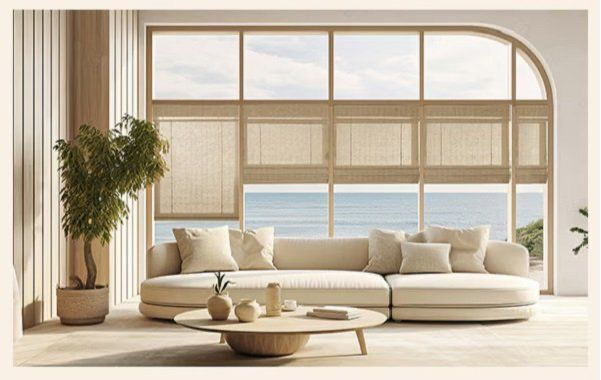

Natural light is one of the most powerful elements in home design. It can transform a room, make it feel larger, and even boost your mood. But too much sunlight can cause glare, fade furniture, and raise indoor temperatures. Controlling light in your living spaces is not just about aesthetics—it’s about comfort and functionality. There are several strategies homeowners use to manage sunlight effectively.
Strategic Placement Of Windows
The first step in controlling natural light is thinking about where your windows are placed. South-facing windows bring in the most sunlight throughout the day, while north-facing ones give softer, indirect light. East and west windows create bright mornings or afternoons. By planning window orientation carefully, you can balance the natural light in your living spaces without overexposure.
Adjustable Shutters For Daylight Control
Shutters are sturdy panels fitted to windows, designed to regulate light and privacy. They can be tilted or fully closed depending on your needs. Installing adjustable shutters allows you to diffuse harsh sunlight while still letting in a soft glow. Shutters are also excellent for maintaining indoor temperature, reducing the need for constant cooling. Modern designs can match any interior style, making them a practical and stylish solution for controlling natural light.
Blinds For Flexible Light Management
Blinds are slatted window coverings that can be tilted, raised, or lowered to adjust light levels precisely. Horizontal or vertical blinds give you full control over brightness and privacy. They are particularly useful in rooms where sunlight angles change throughout the day. By simply adjusting the slats, you can create a warm, inviting atmosphere or block harsh rays entirely. Blinds offer versatility that makes them an essential tool for managing natural light in living areas.
Layered Window Treatments
Combining shutters and blinds with curtains or drapes creates multiple layers of light control. This approach allows you to filter sunlight differently depending on the time of day. Light, sheer curtains soften incoming rays, while heavier drapes can block light completely. Layered treatments also add texture and depth to your décor, giving both functional and aesthetic benefits. Using shutters and blinds alongside other treatments ensures total control over your living space lighting.
Reflective Surfaces And Light Colors
Walls, ceilings, and floors can amplify or reduce natural light. Light-colored surfaces reflect sunlight, brightening a room without adding glare. Mirrors placed strategically can bounce light deeper into interior spaces. On the other hand, darker tones absorb light, creating a cozy but dimmer environment. Pairing reflective surfaces with shutters and blinds lets you fine-tune brightness while maintaining balance and comfort.
Smart Technology For Sunlight Control
Today’s smart homes offer automated solutions to manage natural light. Motorized blinds and shutters can be programmed to open or close based on the sun’s position or your daily schedule. Sensors detect brightness and adjust coverings automatically, keeping rooms consistently comfortable. Smart technology simplifies light management and adds convenience for busy households. It also enhances energy efficiency by reducing the need for artificial lighting during daylight hours.
Conclusion
Controlling natural light in living spaces is more than a decorative choice. It improves comfort, protects your furniture, and creates the perfect ambiance. By using shutters and blinds, combining layered window treatments, selecting reflective surfaces, and incorporating smart technology, you can master sunlight in any room. Thoughtful light control makes your home brighter, cozier, and more inviting, turning ordinary spaces into truly livable environments.