



Introduction: Why Sound at the Door Matters More Than Ever
In today’s homes, even the smallest sensory detail can shape how comfortable, secure, and welcoming a space feels. One of the most overlooked yet emotionally powerful elements is the audio cue that signals a visitor’s arrival. This simple notification does far more than alert homeowners—it sets the tone for interaction, security awareness, and even mood regulation inside the house.
The modern world has moved far beyond basic mechanical alerts. Now, people choose tones that reflect personality, lifestyle, and technology integration. A carefully selected door bell sound is no longer just a functional signal; it is part of home identity.
From quiet apartments to large villas, the sound that announces someone at the entrance influences how quickly people respond, how safe they feel, and how guests perceive the home. As homes become smarter and more connected, this audio element has become surprisingly important in daily life.
The Historical Journey of Entrance Audio Systems
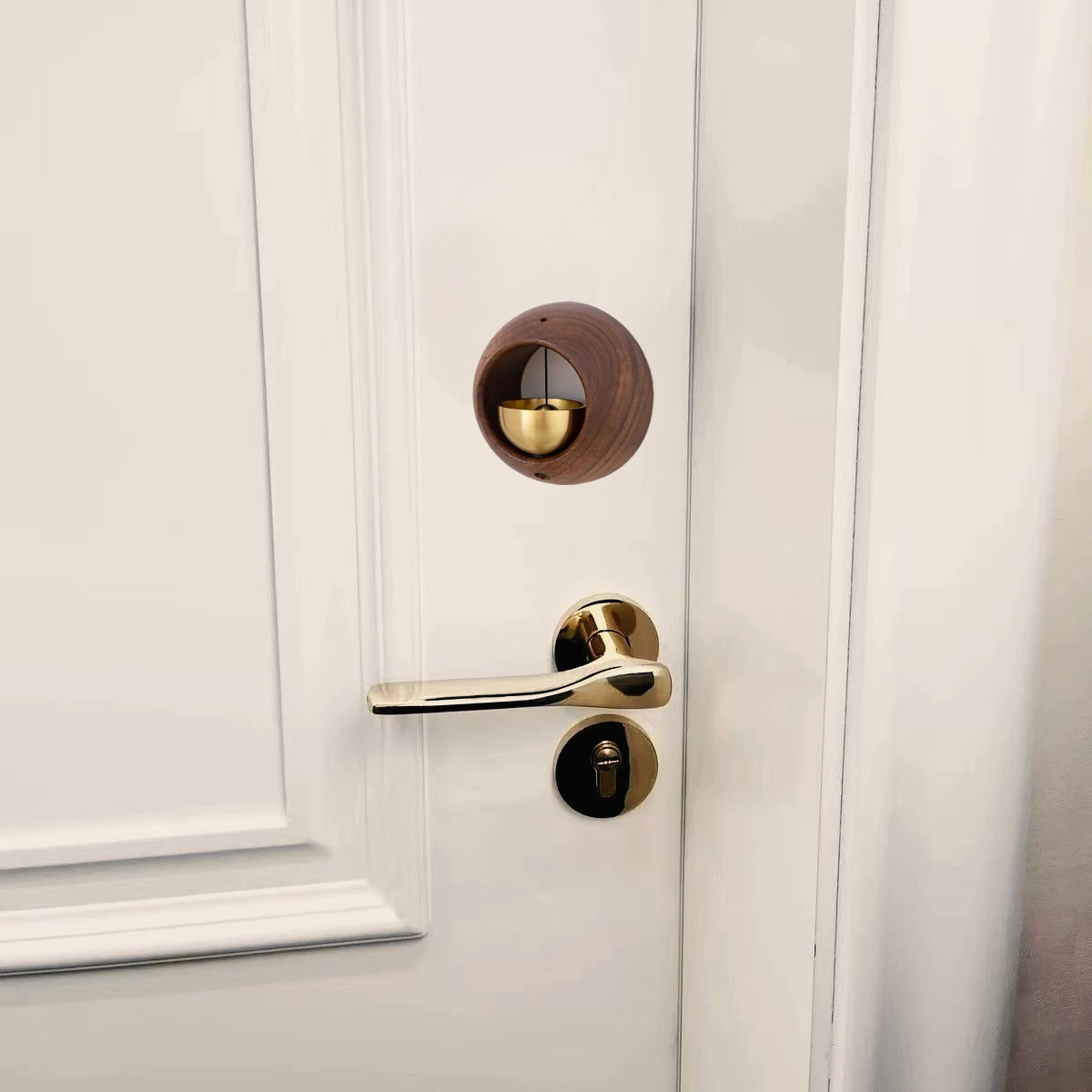
The evolution of entry notifications is deeply tied to human communication needs. Long before electricity, homes relied on physical knocking or mechanical ringing devices. These early systems were simple but effective, designed purely for attention.
As urbanization increased, mechanical bells became common. They produced a sharp metallic tone that could travel across larger houses. This was the earliest recognizable form of a modern door bell sound, although it was far less customizable than today’s systems.
With the introduction of electricity, the experience changed dramatically. Electric chimes allowed for softer tones, multiple melodies, and improved consistency. By the late 20th century, digital systems entered the market, offering programmable sounds and volume control.
Today, smart technology has taken things even further. Wi-Fi enabled systems allow users to receive alerts on smartphones, connect with security cameras, and even personalize tones based on time of day or visitor identity. This evolution shows how deeply integrated audio notifications have become in modern living.
Understanding the Emotional Role of Entry Sounds
Sound affects human emotions more than most people realize. The tone that signals someone at the door can trigger calmness, excitement, or alertness depending on its design.
A soft melody often creates a welcoming and peaceful environment. It helps reduce stress and makes visitors feel more comfortable. On the other hand, sharp and loud tones increase alertness, which is useful in security-focused homes.
Psychologists suggest that repetitive harsh sounds may increase tension over time, especially in compact living spaces. This is why many homeowners now prefer balanced tones that are pleasant yet attention-grabbing.
The right door bell sound can subtly influence how residents react to visitors. It shapes first impressions and sets the emotional tone for interactions before the door even opens.
Types of Entry Audio Systems in Modern Homes
Homeowners today can choose from a wide variety of systems depending on their needs and preferences.
Mechanical Systems and Their Timeless Appeal
Mechanical systems operate without electricity and rely on physical movement to create sound. They are simple, durable, and often used in traditional homes. While they lack customization, their reliability is unmatched.
Electric Chime Systems
Electric systems replaced mechanical mechanisms with electronic circuits. They offer more stable sound quality and often include multiple tone options. Many apartments still rely on these systems due to their affordability and ease of installation.
Melodic and Musical Systems
These systems introduced music into entry alerts. Instead of a single ring, they play short tunes that create a more welcoming atmosphere. This category is especially popular in family homes where comfort is prioritized.
Smart Integrated Systems
Modern smart systems are the most advanced category. They connect to Wi-Fi, mobile apps, and smart assistants. Users can customize everything from volume levels to alert types, making the experience highly personalized.
At this stage, the idea of a door bell sound becomes less about function and more about lifestyle expression.
Technology Behind Modern Entry Audio Devices
Modern systems rely heavily on microprocessors and wireless communication technology. Instead of physical striking mechanisms, they use digital audio files stored in memory chips.
Wi-Fi and Bluetooth connectivity allow homeowners to control settings remotely. Many systems can be synced with smartphones, enabling real-time alerts even when the homeowner is away.
Some advanced models also integrate cameras, motion detection, and two-way audio communication. This transforms a simple alert system into a full home security solution.
Battery efficiency has also improved significantly. Wireless systems can operate for months on a single charge, and some even support solar charging for outdoor units.
The evolution of the door bell sound in this context reflects the broader shift toward smart living and automation.
Comparison of Popular Entry Sound Systems
Below is a practical comparison to help understand how different systems perform in real-world conditions.
| System Type | Sound Quality | Customization | Smart Features | Power Source | Ideal Use Case |
|---|---|---|---|---|---|
| Mechanical Bell | Low | None | None | Mechanical | Traditional homes |
| Electric Chime | Medium | Basic | None | Electricity | Apartments |
| Musical System | High | Moderate | Limited | Electricity | Family homes |
| Smart System | Very High | Advanced | Full | Wi-Fi/Battery | Smart homes |
This table highlights how technology directly impacts the quality and flexibility of entry audio experiences.
Why Sound Design Matters in Home Architecture
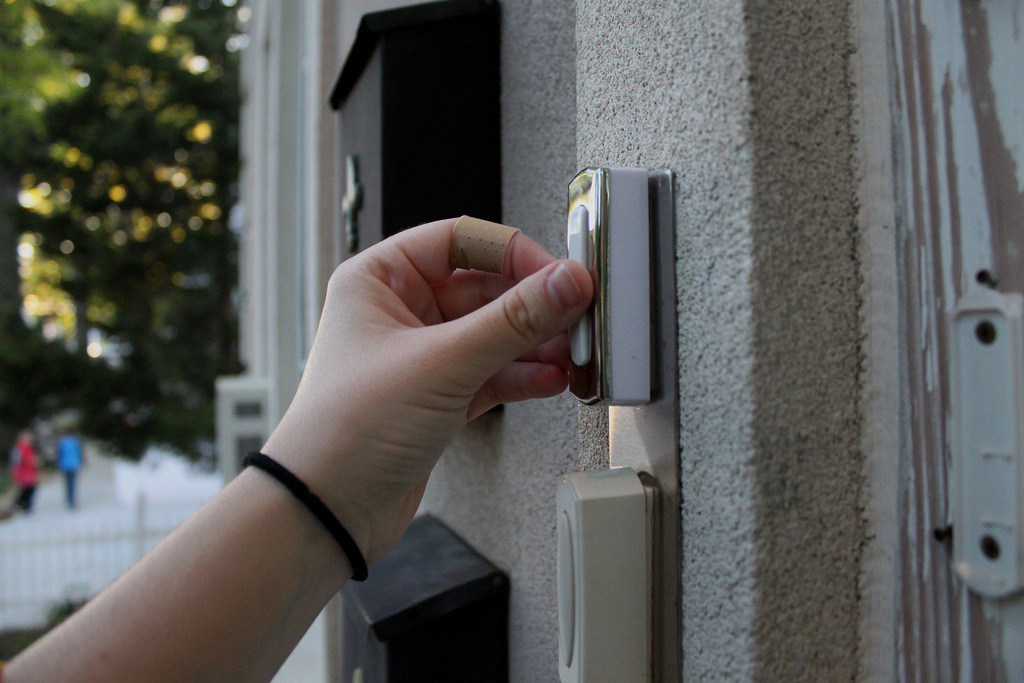
Architects and interior designers increasingly consider sound as part of home design. The placement of speakers, walls, and entry systems can influence how sound travels inside a space.
A poorly placed system may produce echoes or uneven volume distribution. In contrast, a well-designed system ensures clarity throughout the home.
The choice of door bell sound also reflects interior aesthetics. Minimalist homes often prefer subtle tones, while larger homes may use richer melodies that fill space more effectively.
Sound design is no longer an afterthought—it is part of the overall architectural experience.
Installation and Placement Considerations
Proper installation is essential for optimal performance. The outdoor unit should be weather-resistant and placed at an accessible height. This ensures convenience for visitors and durability over time.
Indoor receivers should ideally be placed in central areas of the home. This helps distribute sound evenly across rooms.
Avoid placing units near thick walls or metal surfaces, as these can interfere with signal strength or sound clarity.
A well-installed system ensures that the door bell sound remains clear, consistent, and reliable in all conditions.
Common Issues and Practical Solutions
Even advanced systems may experience occasional issues. Understanding these helps maintain smooth operation.
Low volume is often caused by battery depletion or speaker obstruction. Replacing batteries or cleaning the speaker usually resolves the issue.
Delayed response in wireless systems is typically linked to weak connectivity. Restarting the router or repositioning the device can improve performance.
Distorted audio may occur due to dust accumulation or internal wear. Regular maintenance is recommended to preserve sound quality.
Button malfunctions are usually caused by long-term usage and may require replacement.
By addressing these issues early, homeowners can ensure that their door bell sound system remains efficient and reliable.
Security Benefits of Modern Entry Audio Systems
Beyond convenience, entry audio systems play a key role in home security. A clear and immediate alert ensures that residents are aware of visitors at all times.
Smart systems enhance this by integrating video surveillance. Homeowners can see and communicate with visitors before opening the door.
Some systems even record activity, providing useful data in case of suspicious behavior.
This combination of sound and visual verification makes modern systems essential for safety-conscious households.
In this context, the door bell sound becomes part of a larger security ecosystem rather than just a simple alert.
Future Trends in Entry Audio Technology

The future of home entry systems is moving toward intelligent automation. Artificial intelligence will allow systems to adapt sounds based on time, user behavior, or visitor identity.
Biometric recognition may soon allow systems to identify frequent visitors and adjust alerts accordingly. Voice control will become more natural and integrated into daily routines.
Energy-efficient designs and eco-friendly materials will also play a bigger role in product development.
Eventually, the door bell sound may become fully personalized, adjusting automatically to mood, environment, and context.
Did you know? Studies show that soft and pleasant entry tones can reduce household stress levels and improve emotional comfort, especially in urban apartments.
FAQs About Entry Audio Systems
What is the purpose of an entry alert system?
It notifies homeowners of visitors and enhances both convenience and security.
Can I customize the sound?
Yes, most modern systems allow full or partial customization depending on the model.
Do smart systems require internet?
Yes, internet is needed for remote alerts and app integration.
How long do wireless systems last on battery?
Depending on usage, they can last several weeks to months.
Is maintenance required?
Basic cleaning and occasional battery checks are recommended for long-term performance.
Conclusion: Choosing the Right Audio Identity for Your Home
Modern homes are built around comfort, efficiency, and personalization. The way a home signals a visitor’s arrival may seem small, but it plays a meaningful role in daily life.
From emotional impact to security benefits, entry audio systems have evolved into essential household features. Whether simple or smart, each system reflects a different lifestyle choice.
Ultimately, selecting the right door bell sound is about balancing practicality, emotion, and technology. The right choice ensures that every visitor’s arrival feels clear, intentional, and aligned with the character of the home.
As technology continues to evolve, these systems will only become more intelligent and personalized—making everyday living smoother, safer, and more expressive than ever before.
Read More:-Complete Guide to Smart Doorbell Systems for Modern Home Security