

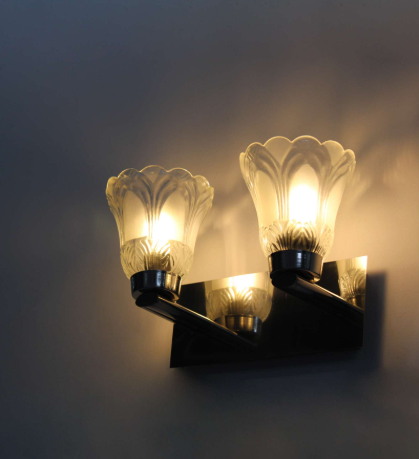

Introduction: The Quiet Power of Wall Lighting in Modern Homes
Lighting is often the most underrated part of interior design, yet it has the power to completely transform how a space feels, functions, and even how large it appears. When people think about decorating their homes, they usually focus on furniture, paint colors, or flooring. However, lighting is what ties everything together and gives life to every design choice.
Among all lighting options available today, one category has steadily gained popularity for its elegance and flexibility. It is subtle, space-saving, and surprisingly artistic when used correctly. In modern interiors, wall sconce lighting has become a defining element that blends functionality with visual charm. (Keyword usage 1/8)
Unlike overhead fixtures that flood a room with general brightness, wall-mounted lighting creates layers of illumination. This layering effect helps build mood, highlight textures, and create depth within a room. Whether used in hallways, bedrooms, or living areas, it brings a soft glow that feels intentional rather than overpowering.
As homes become more design-conscious and personalized, lighting is no longer treated as an afterthought. Instead, it is seen as a design tool that shapes atmosphere and emotion.
The Role of Light in Shaping Interior Atmosphere
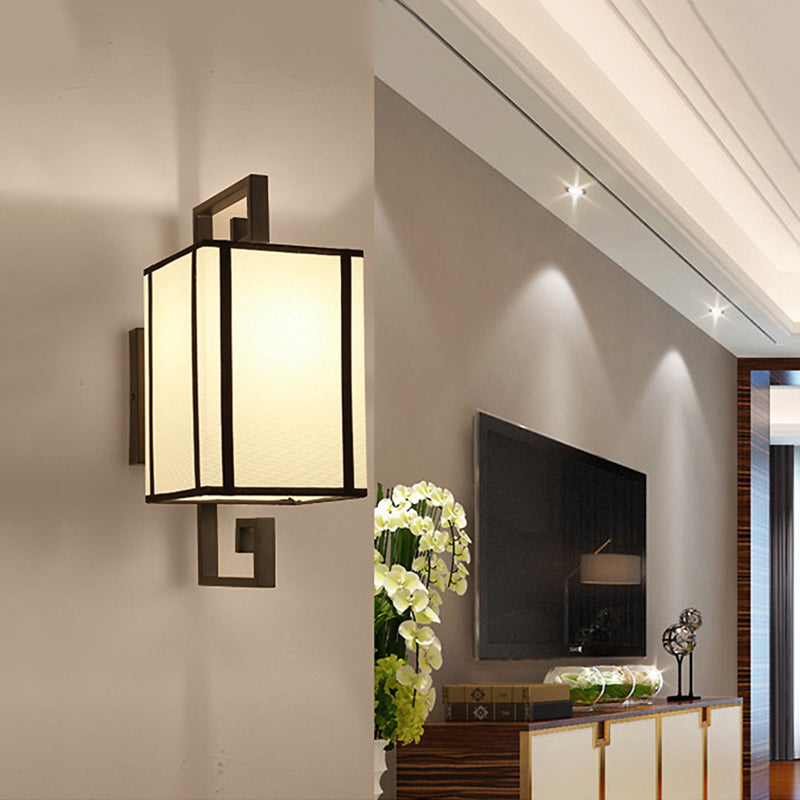
Light is not just about visibility; it directly affects how people feel in a space. A dimly lit room can feel intimate and relaxing, while a bright and evenly lit space can feel energetic and focused. The positioning of light sources also influences perception—walls, ceilings, and corners all react differently to illumination.
One of the reasons designers increasingly rely on wall sconce lighting is because it interacts beautifully with vertical surfaces. (Keyword usage 2/8) When light washes across a wall, it enhances textures like paint finishes, wallpaper patterns, and even architectural details such as moldings or brickwork.
Instead of dominating a room, this type of lighting integrates into it. That subtle presence is what makes it so appealing in both modern and traditional interiors.
Why Designers and Homeowners Are Embracing Wall Fixtures
Over the past decade, interior design trends have shifted toward minimalism, functionality, and visual balance. People want homes that feel open, uncluttered, and calming. This is where wall-mounted fixtures excel.
One of the biggest advantages is space efficiency. Unlike floor lamps or table lamps, wall fixtures do not occupy any usable surface area. This makes them especially useful in small apartments or narrow hallways where every inch matters.
Another reason for their popularity is versatility. They can be decorative, industrial, vintage-inspired, or ultra-modern depending on the design. This flexibility allows homeowners to match lighting with their overall interior theme without compromise.
When used thoughtfully, wall sconce lighting becomes more than just illumination—it becomes part of the décor itself. (Keyword usage 3/8) It can frame mirrors, highlight artwork, or create symmetry on either side of a bed or sofa.
Understanding Different Lighting Effects and Their Purpose
Lighting is not one-dimensional. Different fixtures produce different effects, and understanding these effects helps in creating a well-balanced interior.
Some fixtures cast light upward, creating a soft glow that spreads across the ceiling. Others direct light downward, offering focused illumination ideal for reading or task-based activities. There are also dual-direction designs that distribute light both ways, creating dramatic wall effects.
Each lighting style serves a unique purpose, and choosing the right one depends on how the space is used. For example, a hallway benefits from evenly spaced ambient lighting, while a bedroom requires softer, more calming illumination.
Designers often combine multiple lighting types to achieve depth and dimension. This layering technique ensures that no area feels too flat or overly bright.
Placement Techniques That Transform Ordinary Walls

Where you place lighting fixtures is just as important as the fixtures themselves. Even the most expensive design can look ineffective if installed incorrectly.
Ideal placement usually follows eye level positioning, which creates natural visual comfort. In hallways, spacing between fixtures should remain consistent to maintain rhythm and flow. In bedrooms, pairing fixtures on either side of a bed creates symmetry and balance.
Wall placement also plays a key role in highlighting architectural features. A textured wall, for instance, becomes more dramatic when light grazes across it from the side. Similarly, artwork becomes more impactful when illuminated from nearby fixtures.
In modern design projects, wall sconce lighting is often used as a framing tool rather than just a light source. (Keyword usage 4/8) It draws attention to focal points while subtly blending into the background when not needed.
Materials, Finishes, and Their Emotional Impact
The material of a lighting fixture influences not only its appearance but also the mood it creates within a room.
Brass finishes tend to add warmth and a sense of luxury. Matte black designs offer a modern and sophisticated feel, often used in industrial-style homes. Glass elements soften the light and add elegance, making them suitable for living rooms and bedrooms.
Wood accents, on the other hand, introduce natural warmth and pair well with Scandinavian or rustic interiors. Chrome finishes provide a polished, reflective look that fits contemporary spaces.
The combination of material and light diffusion determines how a space ultimately feels. Soft finishes create calmness, while bold metallic tones introduce contrast and drama.
Comparison of Lighting Options in Interior Design
| Lighting Type | Space Usage | Aesthetic Value | Flexibility | Best Use Areas |
|---|---|---|---|---|
| Ceiling Lighting | High | Medium | Medium | Entire rooms |
| Floor Lamps | High | High | High | Living rooms |
| Table Lamps | Medium | High | Medium | Bedrooms, desks |
| Wall Fixtures | Very Low | Very High | High | Hallways, accent walls |
This comparison shows why wall-mounted options remain one of the most efficient and visually appealing lighting choices in modern homes.
Creating Mood and Emotion Through Light
Lighting is deeply connected to human emotion. Warm lighting tends to create comfort, relaxation, and intimacy. Cooler lighting promotes focus, clarity, and alertness.
Because wall-mounted fixtures sit at eye level, they have a more direct emotional impact compared to ceiling lights. They influence how people perceive space immediately upon entering a room.
This emotional connection is one of the reasons designers carefully integrate lighting into every stage of planning rather than treating it as a final addition.
Room-by-Room Styling Inspiration
Each room in a home has a different purpose, and lighting should reflect that purpose.
In living rooms, lighting is often used to create warmth and highlight décor elements. In bedrooms, the focus is on comfort and relaxation, often achieved through softer lighting tones.
Hallways benefit from consistent spacing, guiding movement through the home. Bathrooms require balanced lighting to avoid harsh shadows, especially near mirrors.
Dining areas often use warm lighting to create an inviting atmosphere that enhances social interaction and comfort.
In all these spaces, wall sconce lighting plays a key role in maintaining harmony between function and aesthetics. (Keyword usage 5/8)
Energy Efficiency and Modern Technology Integration
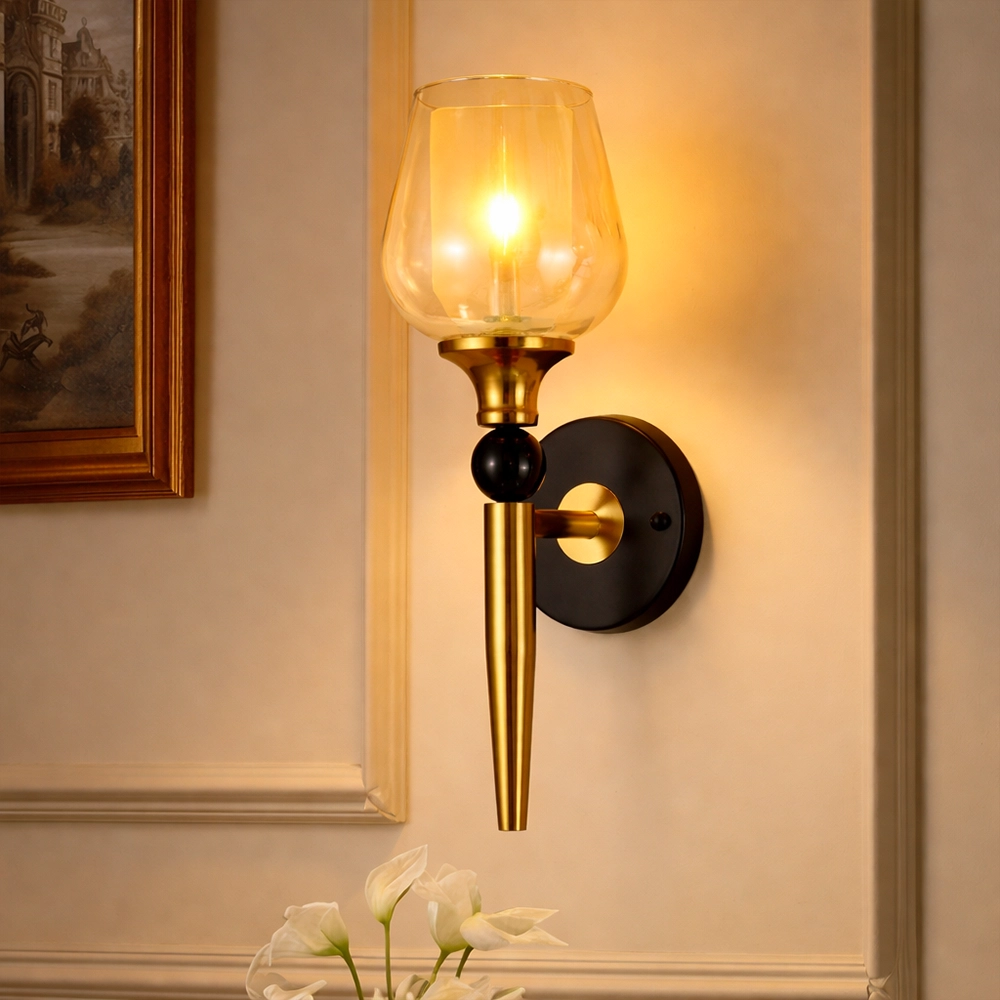
Modern lighting has evolved significantly with the introduction of LED technology and smart systems. Energy efficiency is now a major factor in interior design decisions.
LED-based fixtures consume less electricity, last longer, and generate less heat compared to traditional bulbs. This makes them both cost-effective and environmentally friendly.
Smart lighting systems now allow users to control brightness, color temperature, and scheduling through mobile devices or voice commands. This adds convenience while improving energy management.
Trends Shaping the Future of Interior Lighting
The future of interior lighting is moving toward minimalism, automation, and sustainability. Hidden fixtures, seamless integration into architecture, and adaptive lighting systems are becoming more common.
Designers are also focusing on eco-friendly materials and modular designs that can be easily updated without replacing entire systems.
These innovations ensure that lighting continues to evolve as both a functional necessity and a design statement.
Everyday Mistakes That Affect Lighting Quality
Many homeowners unknowingly make mistakes when installing lighting. Over-lighting a room is one of the most common issues, making spaces feel harsh and uncomfortable.
Incorrect height placement can also disrupt visual balance, while mixing too many styles can create visual confusion. Another common mistake is ignoring how light interacts with wall colors and textures.
Proper planning and consistency help avoid these issues and ensure a harmonious result.
The Art of Blending Function and Style
Good lighting design is not just about brightness; it is about storytelling. Each fixture contributes to the overall narrative of a home.
When used thoughtfully, lighting can guide attention, shape mood, and define architectural beauty. It is both a functional tool and a creative medium.
This balance between practicality and aesthetics is what makes modern lighting design so powerful and expressive.
Conclusion: Building Better Homes with Thoughtful Lighting
Lighting has the ability to completely redefine how a space feels, and it is one of the most important elements in modern interior design. From mood creation to visual structure, every detail matters.
When carefully selected and positioned, wall sconce lighting enhances both beauty and functionality within a home. (Keyword usage 6/8) It brings depth to plain walls, warmth to empty corners, and character to simple interiors.
As design trends continue to evolve, lighting will remain at the heart of home transformation. Whether renovating a single room or designing an entire house, thoughtful lighting choices ensure lasting comfort and elegance.
Ultimately, great interiors are not just seen—they are felt. And lighting is what makes that feeling possible.
Read More:-Smart Wireless Lighting Ideas for Modern Home Wall Design TrendsAI