

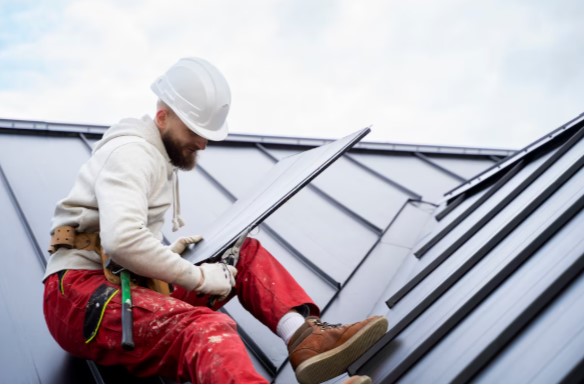

One of the most difficult times for any roofing system can be during the winter months. Roofs are subjected to a great deal of stress annually through snow loading, ice buildup, freezing temperatures, and the freeze-thaw cycles.
Small roofing problems can become expensive repairs, water infiltration, and even structural damage if not attended to properly. Thankfully, proper maintenance can mitigate these risks. Knowing what steps to take before winter’s approach will help homeowners keep their home safe and maximize the life of their roof.
Inspect Your Roof Before Winter Arrives
The best time to prepare for winter roof conditions is before temperatures begin to drop. A comprehensive roof inspection can be used to detect some problems that can become more severe in winter weather. Important areas to examine include:
- Missing or damaged shingles
- Flashing around chimneys and vents
- Loose roofing materials
- Signs of water damage
- Sagging roof sections
- Damaged gutters
Addressing minor issues early is often far less expensive than dealing with emergency repairs during the middle of winter.
Roof Repair
The best way to avoid roofing issues caused by winter is to consider roof repair in time. Cracks and holes are usually big problems in winter because water can work its way in and freeze, causing the cracks to become larger.
Professional roof repairs can help with:
- Cracked shingles
- Damaged flashing
- Minor leaks
- Loose fasteners
- Ventilation issues
Repairs done in advance of winter help to keep the roofing surface in place and prevent water from entering the roof.
Keep Gutters and Drainage Systems Clear
Gutters are very important in guiding water away from the roof and foundation. Even when gutters are free of leaves, branches, and debris, melting snow can cause drainage problems. Gutter issues can lead to the risk of ice dams, water backup, roof leaks, fascia damage, and foundation issues.
Cleaning gutters regularly will also help to ensure efficient water flow during winter thaws. Good drainage will minimize stress to both the roof and the building structure.
Roof Snow Guard
For homes situated in areas that receive a lot of snow, a roof snow guard can be of great value. Snow guards are intended to be used to aid in the control of snow and ice when it is building up on sloped roofs.
The benefits of installing snow guards are:
- Reduced snow avalanches
- Improved pedestrian safety
- Protection for landscaping
- Reduced gutter damage
- Better snow distribution
A roof, without snow retention devices, has the potential for large sheets of snow to slide oof the roof, posing hazards. Snow guards are used to better manage snow lads, and reduce the risk of rapid snow movement.
Improve Attic Ventilation and Insulation
There are actually many issues with roofs during the winter that arise from the inside of the house. Ineffective insulation and ventilation can lead to hot spots on the roof surface, which could increase the risk of ice dams.
Proper attic performance helps to keep roof surfaces uniformly heated, reduce heat loss, improve energy efficiency, minimize moisture buildup, and lower heating costs.