

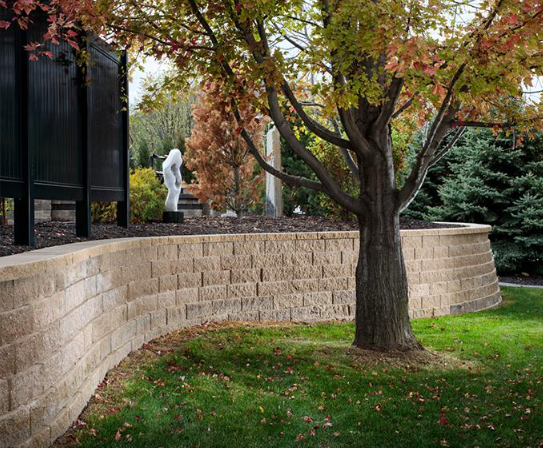

You should remember that a precast concrete retaining wall system comes with significant benefits, meaning it makes them a perfect option for dealing with construction projects and soil altogether. One of the biggest benefits is that they can protect you against erosion, while you will boost the strength of an area, meaning it is exceptionally safe and stable.
When you choose precast retaining walls, you should know that soil could be managed by following two reliable elevations, meaning you will get a graded surface and proper leveling. At the same time, these systems can help control runoff, replenish nutrients and create better appearances for natural barriers.
Apart from structural support you will get, another important consideration is the aesthetical appeal you will get with an area, since you can choose wide array of design elements such as terracing and colored blocks. You should check out more about concrete retaining wall builders by visiting this particular address:
If you wish to invest in a high-performance retaining wall, you can find it daunting altogether. You will need to consider a few factors such as structure type, location, materials, foundation, budget and retaining wall design.
If you are not certain where to start, we will present you a few tips that will help you throughout the process and ensure a stress-free process. Let us start from the beginning.
Location
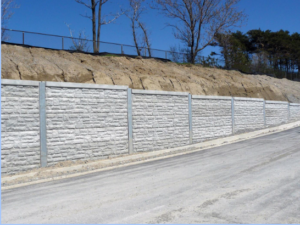
Before you decide to embark on retaining wall project, you should conduct a reliable and comprehensive assessment of ground conditions. We are talking about taking note of key elevations, utilities, lot lines, structures, vegetation and many more. That way, you can confirm the best solution regarding type/model, materials and shape of the wall.
By understanding the understanding of other elements and property lines, you should check out the underground as well like irrigation and storm water systems. You should know that these components are vital for ensuring that your site is structurally suitable for the process.
Soil
Another important consideration is soil engineering that plays a role in high-performance and durable retaining structures. It means you should consider the soil extensively to ensure it meets the requirements and strength to support the process.
Therefore, you should think about testing the bearing capacity, soil type, and friction angle and stress parameters to determine whether the process fits the job properly.
At the same time, you should avoid organic soil, because organic topsoil tends to break down after a while, which will directly affect your overall lifespan and cost you more as time goes by. The best way to learn more about this particular topic is by entering here for more information.
Solid Foundation
The next step includes the foundation of your retaining wall system, an essential component that ensures its lasting durability and strength. We recommend that you ensure the extent is at least one foot beyond the walls, the back base width, and the front edge.
At the same time, you should add a filter such as gravel because of adding pre-built concrete blocks and stones to strengthen the base. The main idea is to ensure the foundation sets the tone for the entire wall so you can get the components in the perfect manner and fashion.
Drainage
One of the most common, yet often overlooked aspects of retaining wall failure is lousy and inadequate drainage. Retaining walls require proper drainage so you can avoid humidity-related rot or breakage. The pressure caused by soil humidity and water can affect the longevity of retaining walls and cause disastrous projects.
When it comes to precast concrete retaining wall, you may ensure to implement a reliable drainage solution to protect structural integrity. This may demand different types of gravel-lined beds, types of soil fills, drainage pipes, and engineered drainage systems with ease.
Design
Before you start the installation process, you should take time to consider a few factors about retaining wall design to ensure the construction process goes efficiently and smoothly. This includes evaluating the wall height, setback angles, footprint sizes, aesthetic appeal and load-bearing capacity.
At the same time, you should ensure that you choose the right structure options. The most popular options are cantilever retaining walls constructed using prestressed concrete, precast concrete or reinforced concrete. They come with steel bars that convert horizontal pressures behind the wall to vertical forces.
You can choose reinforced soil walls that are mechanically stabilized with precast segmental blocks that create raised wall-like structures to resist the pressure of the soil and restrain materials. Check out this site: https://www.cbp.gov/frontline/border-wall-prototype-designs to learn more about border walls.
Anchored retaining walls are using tension support so you can affect soil pressure. They are often used when you need high retaining walls or in case of space constraints. They come with smaller footprints, making them perfect in narrow areas.
If you choose hybrid systems, you will get walls that are layered upon each other to reach the desired height. One important advantage is using them, as they are effective in preventing sinkholes. They can reduce maintenance and prevent erosion.