

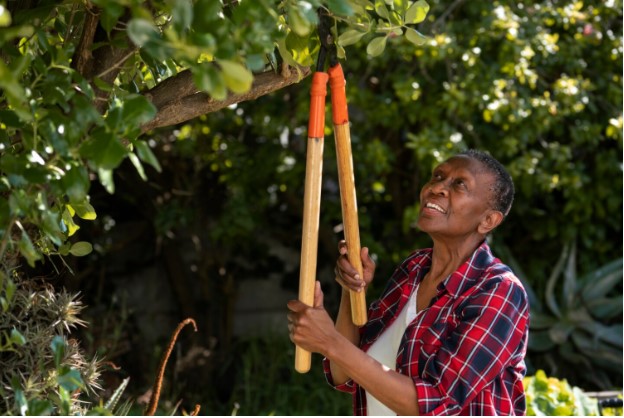

While healthy trees can enhance the beauty, shade, and value of any landscape, they also need to be cared for on an ongoing basis to ensure they remain healthy and safe. A lot of tree issues happen over time and are simple to miss until extensive damage has taken place.
Knowing the early warning signs can help homeowners tackle problems before they can be costly and even dangerous. Tree care professionals have the expertise required to evaluate tree health, offer solutions to problems, and limit potential hazards while maintaining the beauty of your landscape for generations.
Dead Hanging Branches
Dead branches are one of the most visible indications of problems. Shoots that are not green and are brittle or easily broken can be signs of disease, pests, or natural aging. Dead branches are also a safety hazard as they may break unexpectedly in strong winds or stormy weather.
Professional pruning can be used to remove any branches that pose a risk and help to maintain the tree’s overall health and shape. Often, bigger problems can be avoided by early intervention.
Signs of Insect or Disease Activity
Pests and diseases can be a major problem if left untreated. If there are small holes in the bark, sawdust-like material around the trunk, sticky residue, mushrooms growing around the base, or visible insects, there is a problem.
Tree care services routinely evaluate trees, and this helps problems be identified before they get out of hand. Early treatment is likely to be more effective and more cost-effective.
Abnormal Leaves and Bark Changes
When trees are stressed, they frequently will show symptoms. Leaves that are discolored, dropping early, sparse, peeling bark, deep cracks, or unusual growth of fungi can all signify other problems. If not treated, over time, trees may be weakened due to environmental stress, disease, or insect infestation.
Professional tree care services can determine the cause and suggest the best solution. Early treatment will give you a better chance of making it back.
Leaning Trees or Structural Issues
While not all leaning trees are a threat, any abrupt shift should be investigated. Newly leaning trees and trees with exposed roots after a storm or shortly after planting can be structurally unstable. Cracks in the trunk of the tree are another sign of weakness and are common in trees that have had multiple branch connections.
Professional inspections help to decide if it is safe to cut out branches, use other support systems, or just let them go. Structural problems can put people and property nearby at risk if they aren’t addressed.
Storm Damage and Weather-Related Stress
Trees can be stressed even by healthy and mature ones during severe weather. High winds, heavy snow, lightning, and extended periods of drought can cause broken limbs, split trunks, or damaged root systems. Some of the damage can be seen right away, but others may take several months to show. Professional services can help uncover potential hazards and identify if corrective care is required.