


Introduction to Modern Doorbell Choices
Home security and convenience have changed dramatically over the last decade. What was once a simple mechanical button that triggered a ringing sound has now evolved into a smart communication and security device. Today’s homeowners are not just buying a bell—they are investing in a complete entry monitoring system.
Whether you live in an apartment or an independent house, choosing the right doorbell involves understanding features, technology, durability, and long-term value. Many buyers initially focus only on cost, but the real value lies in balancing price with functionality and reliability.
In this detailed guide, we will explore everything from traditional systems to smart video solutions, installation considerations, and long-term maintenance insights. This will help you make a confident and informed decision for your home.
Understanding Modern Doorbell Evolution
The evolution of doorbells reflects how home technology has advanced. Earlier systems were purely mechanical, relying on physical pressure and a simple electric circuit. These systems were inexpensive and durable but offered no additional features.
Today, digital and smart systems have taken over the market. These devices can connect to smartphones, record video, detect motion, and even communicate with visitors remotely. This transformation has also influenced consumer expectations and overall product value.
As technology improves, buyers now expect convenience, security, and integration with smart home ecosystems. This shift has significantly expanded product variety in the market.
What Affects Doorbell Cost in Today’s Market
One of the most important aspects buyers consider is pricing. The door bell price depends on several interconnected factors that influence both quality and performance.
Technology is the biggest factor. Basic wired systems remain the cheapest because they offer limited functionality. In contrast, smart video systems include cameras, Wi-Fi modules, cloud storage options, and advanced sensors, which significantly increase cost.
Brand value also plays a major role. Established brands charge more due to reliability, customer support, and warranty services. Lesser-known brands may offer lower prices, but durability and service quality may vary.
Material quality and design also contribute. Weather-resistant builds, premium finishes, and stronger hardware increase product longevity, but they also raise manufacturing costs.
Types of Doorbells and Their Practical Uses
Understanding different categories helps you choose the right system for your home needs. Each type serves a unique purpose and fits different budgets and usage patterns.
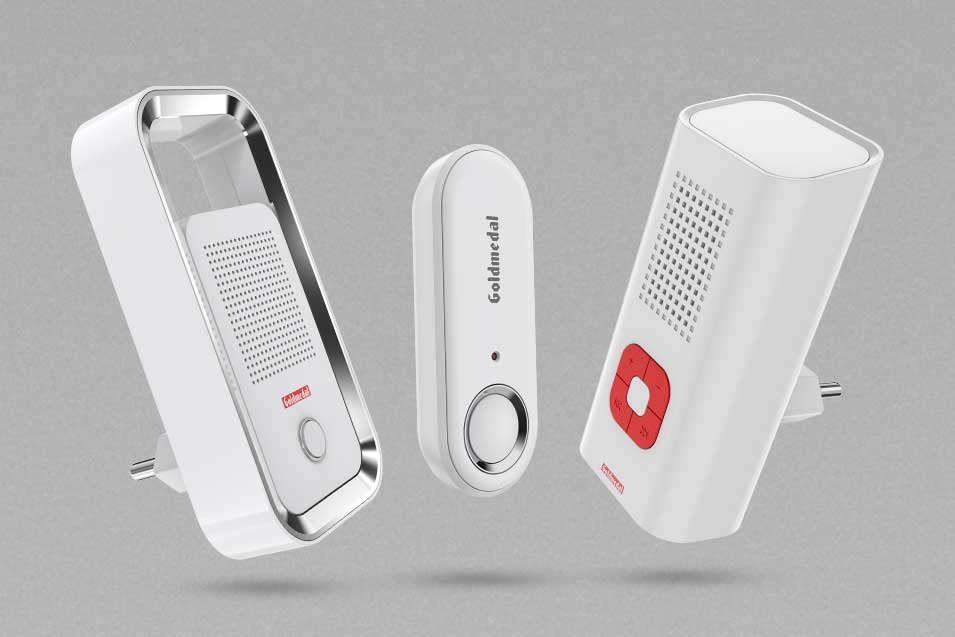
Wired doorbells are the most traditional option. They are directly connected to the electrical system and are known for reliability and long lifespan. However, they lack advanced features and require professional installation.
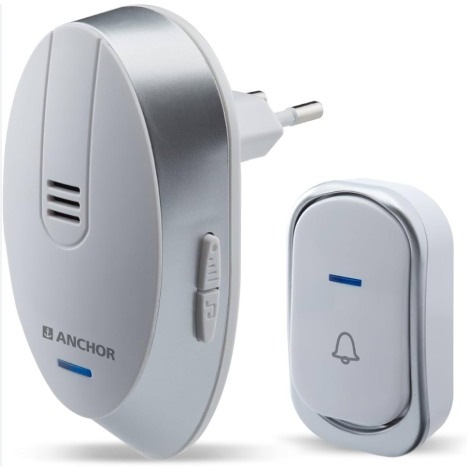
Wireless doorbells are more flexible and easier to install. They operate using batteries or plug-in receivers and are ideal for renters or temporary setups. They offer moderate features and convenience without complex wiring.
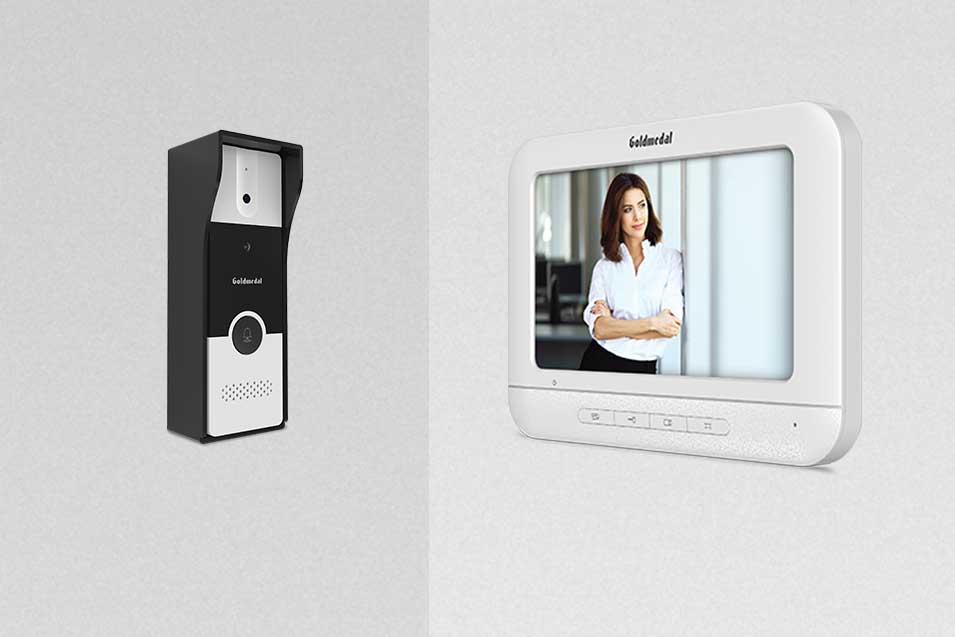
Smart video doorbells are the most advanced category. They offer HD video streaming, night vision, motion detection, and smartphone connectivity. These systems are designed for users who prioritize security and remote monitoring.
Hybrid systems combine wired reliability with smart features, offering a premium experience for modern homes.
Comparison Table of Doorbell Categories
To simplify your decision-making process, here is a clear comparison of the most common types available today:
| Type of Doorbell | Core Features | Installation | Maintenance | Ideal Usage |
|---|---|---|---|---|
| Wired System | Basic sound alert, stable connection | Professional | Low | Traditional households |
| Wireless System | Portable, battery-operated | DIY | Medium | Apartments & renters |
| Smart Video System | Camera, app control, alerts | DIY/Professional | Medium | Security-focused homes |
| Hybrid System | Wired + smart features | Professional | Low | Premium residences |
This comparison helps highlight how functionality increases with price and complexity.
How Features Influence Pricing Structure
Every added feature increases both functionality and cost. The door bell price rises as more advanced capabilities are included in the device.
Audio-only systems are the most affordable because they perform a single task. However, when you introduce video recording, cloud storage, or mobile app control, the price increases significantly.
Night vision is another premium feature that enhances security during low-light conditions. Motion detection sensors add even more value by alerting homeowners before someone even rings the bell.
Two-way communication systems, which allow you to speak to visitors remotely, are also part of higher-end models and contribute to increased pricing.
Installation Process and Cost Considerations
Installation plays a major role in the overall expense of any doorbell system. While the device itself may be affordable, installation can add unexpected costs.
Wireless systems are generally simple and can be installed without professional help. Most users can complete setup within minutes using basic tools.
Wired systems, however, require electrical knowledge and often involve drilling, wiring, and wall adjustments. This makes professional installation necessary in many cases.
Smart systems may also require app configuration and Wi-Fi setup. Although manufacturers provide detailed instructions, some users prefer expert assistance.
Hidden Costs Buyers Often Overlook
Many buyers focus only on the initial purchase but forget about long-term expenses. These hidden costs can significantly affect overall ownership value.
Subscription services are one of the most common additional expenses. Smart doorbells often store video recordings in the cloud, which requires monthly or yearly payments.
Battery replacement is another recurring cost for wireless models. Over time, battery performance decreases, requiring replacements.
Maintenance and software updates also play a role in long-term usability. Ignoring updates may reduce performance or security levels.
When evaluating the door bell price, it is important to consider these long-term costs rather than just the upfront amount.
Making a Smart Buying Decision
Choosing the right doorbell requires balancing budget, features, and long-term value. Instead of focusing only on affordability, it is better to analyze what you actually need.
A small apartment may not require advanced video surveillance, while a standalone house may benefit from smart monitoring features.
Before making a purchase, compare at least three models within your budget range. This helps you understand what features are available at different price points.
Ultimately, the goal is to choose a system that provides convenience, safety, and durability without unnecessary expenses.
Maintenance Tips for Better Performance
Proper care ensures that your doorbell system lasts longer and performs efficiently. Even affordable models can deliver excellent results when maintained properly.
Keep the device clean, especially the camera lens in smart systems. Dust and dirt can reduce video clarity and sensor accuracy.
Check batteries regularly in wireless systems to avoid sudden failures. Weak batteries may cause missed alerts or delayed responses.
Ensure software updates are installed on smart devices to maintain security and performance improvements.
Why Doorbell Technology Matters Today

Modern doorbells are no longer simple sound devices. They have become part of a larger home security ecosystem. Integration with smartphones and smart home devices makes them highly valuable in everyday life.
From monitoring deliveries to identifying visitors remotely, these systems provide convenience and peace of mind. The increasing demand for smart homes has made doorbells an essential investment rather than a luxury item.
As technology continues to evolve, we can expect even more advanced features in future models, including AI-based detection and facial recognition.
How to Compare Options Effectively
When evaluating different models, always focus on functionality first, then compare pricing. Many buyers make the mistake of choosing based solely on appearance or brand.
The door bell price should always be analyzed alongside features like durability, connectivity, and ease of use. A slightly higher upfront cost may offer better long-term value.
Reading user reviews and understanding real-world performance is also helpful before making a final decision.
Frequently Asked Questions (FAQs)
1. What is the average cost range of doorbells today?
Prices vary widely depending on features, with basic models being affordable and smart systems costing significantly more.
2. Are wireless doorbells easy to install?
Yes, most wireless systems are designed for quick DIY installation without professional help.
3. Do smart doorbells work without Wi-Fi?
No, most smart models require internet connectivity for full functionality.
4. Can doorbells record video continuously?
Some advanced models support continuous recording, but most use motion-triggered recording.
5. Are subscription plans necessary?
Not always, but many smart features like cloud storage require subscriptions.
6. How long do doorbell batteries last?
Battery life depends on usage, but typically lasts several months before replacement.
7. Is professional installation required for all systems?
No, only wired systems generally require professional installation.
Conclusion
Choosing the right doorbell system is about understanding your needs, budget, and long-term expectations. Instead of focusing only on initial cost, it is important to evaluate features, durability, and hidden expenses.
The door bell price is influenced by technology, installation type, and brand value, but the real value comes from how well the device improves your home security and convenience.
A thoughtful purchase ensures you get a reliable system that serves your home for years. Whether you choose a basic model or a smart video system, the right decision will always balance affordability with functionality and peace of mind.